

Setting boundaries to protect planet and all people
16/06/2025
Safe planetary boundaries exist to ensure a stable planet. They mark how much pressure humans can put on Earth’s critical processes before those systems that support all life start to change and potentially cross irreversible tipping points.
However, these boundaries do not necessarily ensure justice for people.
In 2023, the Earth Commission published its first landmark assessment of the scientific research from around the world, quantifying both “safe” and “just” boundaries.
A unique feature of this assessment is the addition of social and environmental justice. It includes how people can be protected from the impacts of, for example, global warming, water shortages and air pollution and, at the same time, live a life free from poverty.
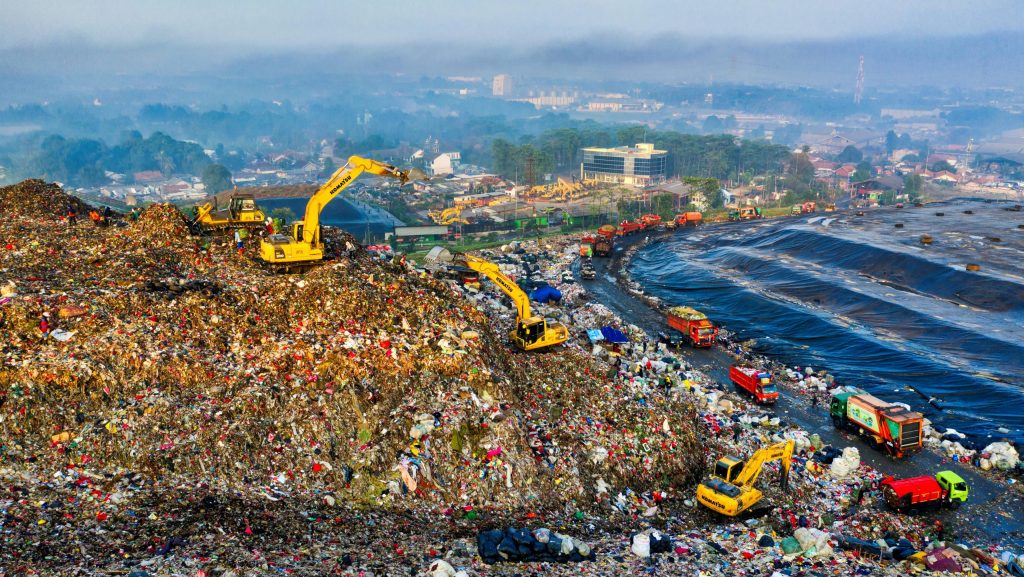
The Earth Commission’s just boundaries are set to avoid significant harm to people. However, setting such boundaries and defining what significant harm is are no easy tasks.
“It is very difficult to say what is acceptable harm; but not doing so allows harm to continue. This paper tries to show how within the Earth Commission we debated on these issues and proposed ‘just boundaries’. This is not the last word – we expect that future scholarly and policy debates will further refine such numbers”, said lead author Joyeeta Gupta, Professor at the University of Amsterdam and former co-chair of the Commission.
The new paper, published in the journal Earth System Governance, revisits the philosophical and legal literature on harm, and outlines the criteria and principles for developing just boundaries.
Nine criteria for just boundaries
- Quantitative boundaries need to be complemented by quality standards (e.g. for freshwater).
- Local harm needs to be accounted for (e.g. local air pollution),
- Abstract global boundaries need to be translated and contextualized for local conditions.
- To contextualize global boundaries, there is a need to show how harm is distributed over the world.
- There is a need to consider how harm and poverty are connected and often co-exist.
- Boundaries do not tell us who is causing the problem.
- Just boundaries are necessary but not sufficient – the boundaries also have to be achieved in a just manner.
- A just boundary needs to be accompanied by a discussion of what it can do and what it cannot do; a boundary is not in itself just.
- Procedural justice requires that proposed boundaries are refined through open debate and discussions.
In several cases, incorporating justice considerations make the boundaries more stringent. In the case of climate change, the Earth Commission has set the safe boundary – aimed at maintaining a stable planet – at 1.5°C. But already when crossing 1°C, tens of millions of people are exposed to extreme heat, just one of the many indicators of climate impacts. The just boundary is therefore set at 1°C.
The study shows that today, between 14% and 85% of the global population already is exposed to harm from breached boundaries across five key areas of the Earth system (climate, biosphere, nutrients, freshwater and aerosols/air pollution). The highest percentage of people are exposed to air pollution, despite WHO standards.
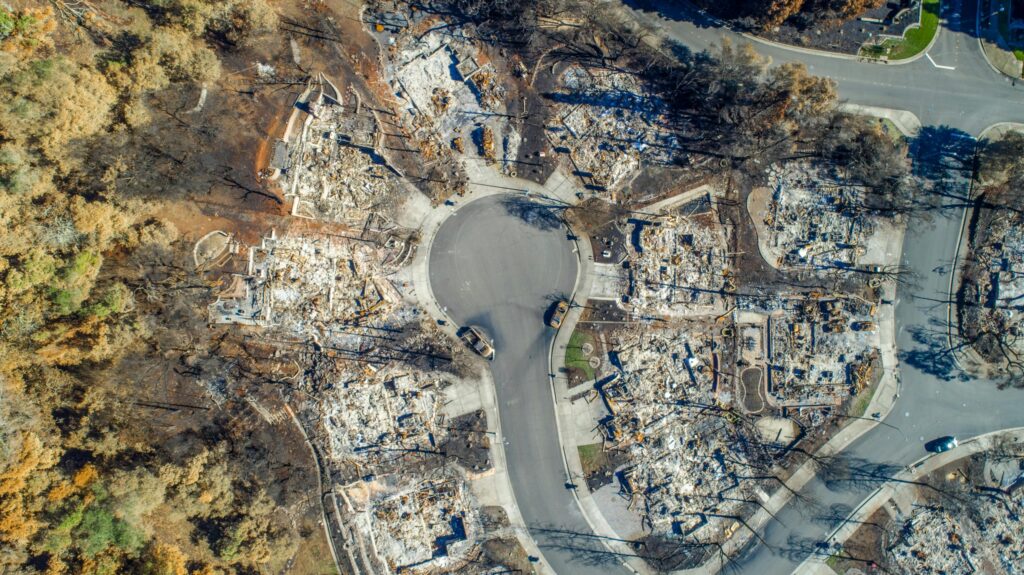
The authors argue that the upper limit for significant harm should be at 1% of the population, at a maximum. Reaching this a proposed upper limit for harm, would demand radical transformations at every level of society, but it is not stringent enough ‘to leave no one behind’.
“Throughout history, most societies have believed in the idea of not causing harm to others, and even that one should help those who are harmed. This is institutionalized in law, but in the current climate treaty it seems to be a blind spot. We need to remember that justice must be at the heart of all efforts to safeguard our planet and its people”, said Joyeeta Gupta.
